
Structure first, then everything that sits on it
Send the failed report
Address, who wrote the report and the items it flagged, and we arrange a visit.
What moves in an earthquake
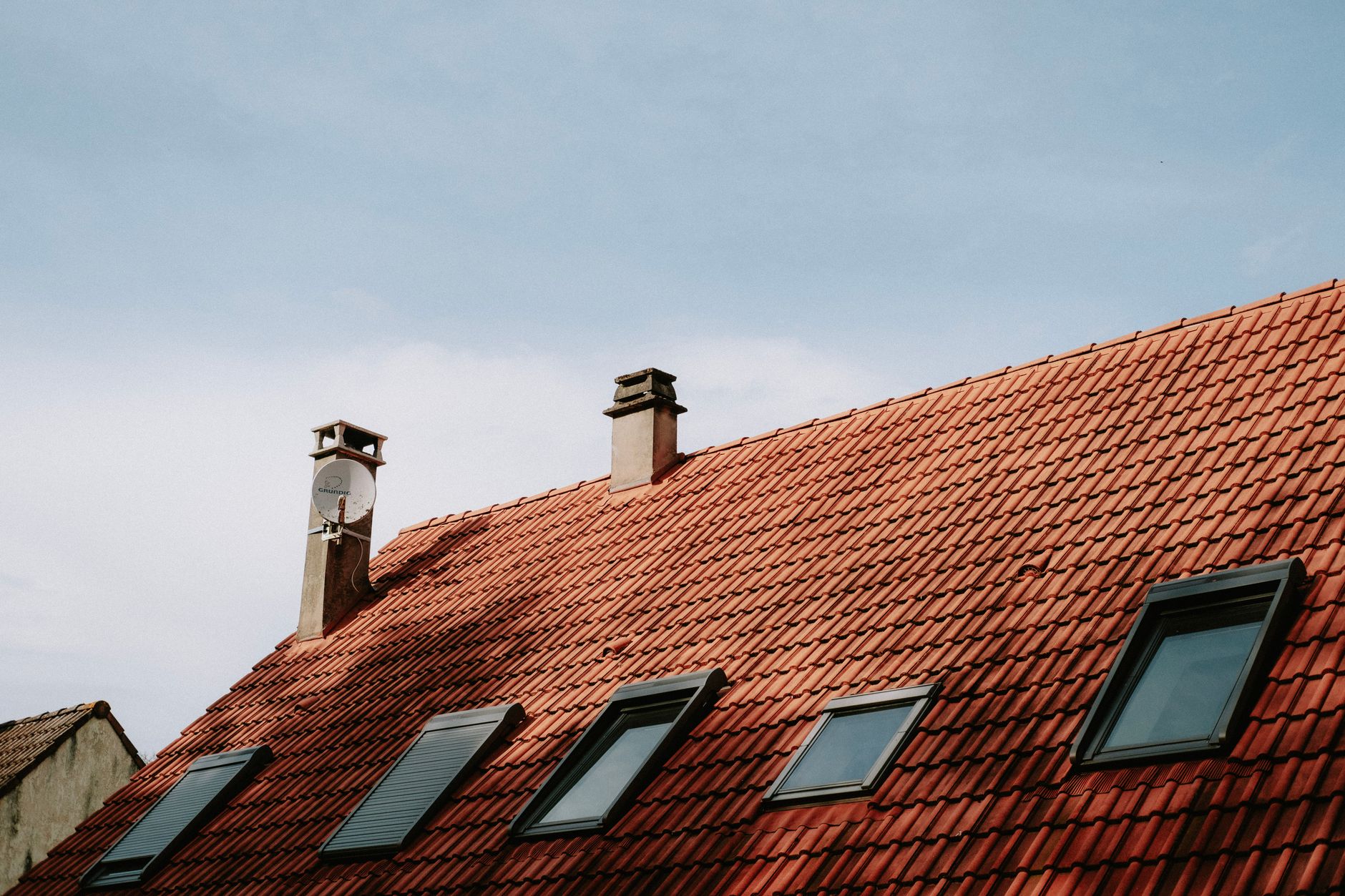
A house frame bends; an unreinforced brick stack does not. When the ground shakes, the two move out of step, and the stress collects where the chimney leaves the roof. That is why the items a camera inspection fails most often in north Orange County sit at the top of the stack:
- Cracks across the mortar at or just above the roofline
- Top courses that rock or have slid off the line of the stack
- A crown split through, so water reaches the brick below
- A gap opening between the chimney and the house wall
- Old patch mortar that never gripped the brick and has let go again
Why structure comes before anything else
A new cap bolted to a crown that is about to fail is money lost twice. So is new flashing let into joints that will be rebuilt next month. We put structural items at the top of every repair scope and price the weather and venting work after them, so nothing goes on a chimney that is still moving.
For loose or cracked brick above the roof there are two broad routes: hold the existing stack to the house with steel bracing and straps, or take the top down and rebuild it, either in reinforced brick or as a light framed chase around a metal flue. Rebuilds usually need a building permit, and the scope says so.
The fixes that follow the structure
Once the stack is sound, the rest of a failed report is usually weather and venting. A missing arrestor cap, flashing that lets water past the roof line, a wide stack with no diverter on the uphill side, or an old wood fireplace the owner wants to switch to gas. Those are the jobs with published figures in the table below.
Crown recasting, relining, damper and chase cover work vary too much to list. Each gets a written figure once we have measured it, set out as its own line under the structural work.
Signing it off
Where a permit applies, the city inspects the work before it is covered. If a buyer or an underwriter wants proof, a second camera run once the work is finished puts the passing chimney on record.
Repair figures
The usual weather and venting fixes after the structure is sound. The cap is quoted after we measure. Structural work and anything else not listed is priced in writing.
- Water entry found at the stack and closed off
- $525 to $3,150
- Uphill diverter built behind a wide stack
- $420 to $950
- Diverter plus all-new roof flashing
- $630 to $1,600
- Sealed gas heater with liner, set in the old opening
- $2,650 to $5,250
- Camera inspection to confirm the repairs
- $370
- Spark screen cap fitted on the flue top
- Quoted after we measure
A rebuild, bracing, crown, liner, damper or chase cover has no published figure; each is set out as its own written line.
Repair questions
Our report failed. Does everything have to be done at once?
No. Structural items that make the chimney unsafe come first. Weather and venting fixes can follow, and the written scope says which items stop use of the fireplace and which do not.
Bracing or rebuild: how do you decide?
By the brick and mortar. Sound masonry can be braced and strapped to the house. Brick that moves by hand, cracks through the units or a top that has already shifted points to taking the top down. Where both would work, we price both.
Does the city need to be involved?
Often, for rebuilds and for gas work. Rules differ by city, so the scope names any permit the job needs at your address and who files it.
Can you repair a chimney another company inspected?
Yes. Send us the report and we look at the flagged items ourselves before writing a scope, so the price rests on what we have seen.
Can the fix be confirmed for a buyer or an insurer?
Yes. A camera inspection after the work records the repaired chimney, and that report can go to whoever needs it.
Fix the structure first
Use the contact page to send the failed report for your Yorba Linda chimney. We arrange a visit and write a scope with structural work at the top.
Call (657) 222-3946