
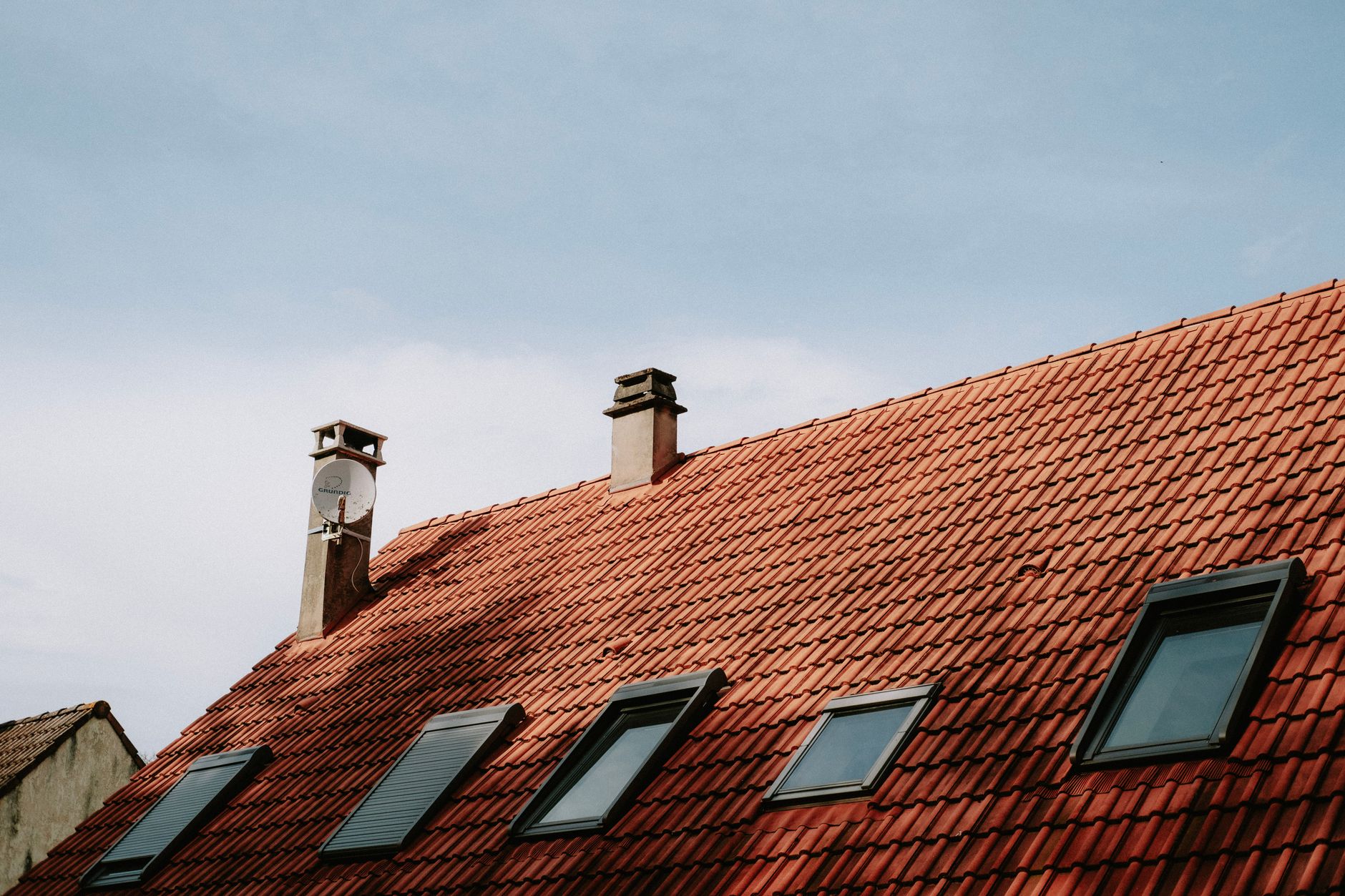
Chimney Inspection in Yorba Linda, With the Level Named Before We Arrive
Ask About This Service
Give the address and why you need chimney inspection. Our reply covers the visit, the price where one is listed and any permit.
Scope and Standards
NFPA 211 sets three inspection levels, and the reason for the visit decides which one fits. A Level 1, at $160, suits a chimney in steady use with nothing new. A sale, a new appliance, a quake or a flue fire belongs with a Level 2 on camera, at $370. Either way the report names the clause or clearance behind each item, so a buyer, underwriter or city inspector can follow it.
How the Standard Assigns a Level to Your Chimney
People often ask for "the basic one" or "the full one" as if inspection depth were a matter of budget. NFPA 211 treats it as a matter of circumstance. Level 1 belongs to a chimney in steady service: same appliance, same fuel, nothing gone wrong. It takes in the readily reached parts of the fireplace, the flue as seen from both ends and the outside of the stack, and it asks three questions: is the structure sound, is the passage clear, are the deposits within limits. That visit is $160. Level 2 belongs to change or doubt. A house being sold, a new insert or stove, a relined flue, a chimney fire, a strong quake or a tree limb through the cap all put the chimney in that class. It adds the attic, the crawl space and any other reachable space the chimney passes, plus a camera through the flue interior, and it costs $370. Level 3 exists for a suspected hidden hazard that can only be reached by taking away plaster, a chase wall or part of the masonry. Few houses ever need one.
What this means for a house in Yorba Linda is that the level gets settled on the phone, before anyone climbs a ladder. We ask what the fireplace burns, whether anything was added or swapped, whether the house is in escrow, and whether you noticed anything after the 2014 La Habra quake, a Santa Ana wind storm or a fire that sounded wrong. A plain yes to any of those moves the visit to Level 2, and we say which answer did it. A string of no answers leaves you at Level 1, and we will not talk you up from it. The housing here is mostly newer than in the older parts of the county, with a mix of brick chimneys and framed chases around metal flues, and the two are inspected differently. On a metal system we also read the maker's label, because the listing on that label is the rule the installation has to meet.
Reading the Report: Hazard, Defect or Older Practice
Our written findings follow one pattern. Every entry carries the spot on the chimney, the requirement it falls short of, and whether the fireplace may be used in the meantime. A typical page might read: wood mantel trim four inches from the opening where the code wants six; chimney top a foot above a ridge that sits eight feet away, where the height rule wants two; no spark arrestor on a wood-burning flue. Then comes the sorting that most owners care about. Some findings are hazards that should stop use until fixed, such as a tile with a section missing. Some are defects to plan for, such as a crown starting to crack. And some are simply the way things were built at the time. A chimney from 1978 is not required to be torn down each time the code book is reprinted, and a report that lists every difference from this year's edition as a failure does the owner no favors. We mark which is which.
Different readers want different things from the same pages. An owner wants to know whether to light a fire this weekend. A buyer wants to know what it will cost to put right, and the listing side wants to know which items are real. An insurer who asks for a chimney report, usually when a wood stove is declared or after a loss, wants the condition described without opinion on who pays. A city inspector does not use our report at all, but any permit work that follows it has to pass theirs, so we write repairs in the terms the building counter uses. We do not hold findings back to make a quote look smaller, and we do not add them to make it larger. Where a repair has a set figure on this site, the report gives it. An installed cap is quoted after we measure, and a wide crown or a copper cap changes its price. Everything else comes as a written quote you can compare.
How Tolbert Handles the Work
Rule Named
Each finding points to the code, clearance or listing behind it
Permit Checked
We confirm with the city whether the job needs sign-off
Line-Item Price
Every repair shown with its own cost before work
Photo Record
Before and after shots filed with your report
Chimney Inspection by city
Cities with their own page get notes on local housing and permit steps; the rest link to the general page.
CA
Chimney Inspection in Yorba Linda
Code wants a spark arrestor atop every wood-burning flue, and on hillside streets that back onto open wildland we treat that screen as item one. With 83% of homes owner occupied, our written findings usually go straight into the policyholder's file.
Open city pageCA
Chimney Inspection in Anaheim
Two code paths run through one city. A postwar brick stack gets judged on mortar, its old steel and roof framing clearance. A factory-built metal unit from the 1970s on is bound by its listing, so caps and inserts must carry the maker's approval.
Open city pageCA
Chimney Inspection in Buena Park
Tract stucco from the fifties and sixties covers most of town, and very few houses are older than 1950. Turning one of those fireplaces into an insert is permit work: liner, hearth and clearance get matched to the appliance listing before the city signs off.
Open city pageCA
Chimney Inspection in Riverside
Different rules govern a Heritage Square Victorian and a newer Orangecrest or Canyon Crest house. Old brick there is held to NFPA 211 clearances and may need a permitted rebuild, while factory-built or gas units take only listed parts.
Open city pageRelated Services
Chimney Sweep
Flue brushed clear of creosote, smoke shelf and firebox vacuumed, and any cap or trim issue an underwriter would question written on one sheet.
MoreChimney Repair
Cracked tile, open joints, a loose crown or a rusted cap put back within the rules, with any permit need flagged before work starts.
MoreFireplace Inspection
Firebox, hearth extension, damper and mantel distances measured against the clearances a fireplace is expected to keep.
MoreFireplace Repair
Firebox joints, hearth extensions, dampers and surrounds brought back to the sizes and materials the rules call for.
MoreChimney Level 2 Inspection
The NFPA 211 level for sales, new appliances, quakes and flue fires: camera through every flue joint, attic and roof included, $370.
MoreChimney Cap Installation
Stainless caps carrying a spark arrestor screen with code-sized openings, measured on the roof and fastened against wind. They are quoted after we measure, and a wide crown or a copper cap changes the price.
MoreChimney Flashing Repair
Step and counter flashing renewed where roof meets brick, the upper layer cut into mortar joints instead of glued on with roofing cement.
MoreChimney Masonry Repair
Open joints repointed and broken brick swapped, using a mix soft enough for the old wall around it.
MoreChimney Rebuilds
Unsound stacks taken down and laid up again with steel and framing anchors, under a city permit with the inspections booked by us.
MoreFireplace Cleaning
Firebox emptied, soot washed from face and hearth, glass doors cleared, and any clearance problem we pass along the way written down.
MoreGas Fireplace Cleaning
Burner, logs, glass and vent serviced, then the unit fired and the room air read for carbon monoxide before we go.
MoreGas Fireplace Repair
Pilots, sensors, valves and igniters tested with a meter, the failed part swapped for a listed match, and each opened fitting leak tested.
MoreFireplace Remodel
Hearth, surround and mantel redesigned around the clearance distances first, then finished in the material you choose.
MoreFireplace Inserts
Wood, gas or electric inserts fitted to the maker's listing, with a full-height liner and the permit many cities ask for.
MorePellet Stove Repair
Pellet stove faults traced with the manual's fault table and a meter, fixed with listed parts, and the vent pipe rechecked.
MoreWood Stove Repair
Leaky door seals, warped baffles, cracked firebrick and loose stovepipe put right, with wall and floor distances measured against the stove's own label.
MoreGas Logs
Vented log sets sized to your opening and flue, installed to the maker's manual, with the gas line run under permit where required.
MoreChimney Seismic Retrofit
Unreinforced brick chimneys made less likely to fall in a quake, through bracing, anchoring or a lighter rebuild, under permit.
MoreChimney Crown Repair
Flat or cracked crowns rebuilt to shed water, overhang the brick and leave the flue tile room to expand, as the masonry code describes.
MoreDryer Vent Cleaning
Lint cleared from the dryer duct end to end, then its length, material and outside hood compared with the mechanical code.
MoreChimney Liner Installation
A stainless liner matched to the appliance it serves, installed to its listing so a cracked or unlined flue meets code again.
MoreChimney Leak Repair
We find where water actually enters, repair that point and test it with a hose. Leak repairs run $525 to $3,150.
MoreChimney Waterproofing
Masonry repellent rolled onto repaired brick, a product that lets vapor escape, once joints, crown and flashing have passed.
MoreChimney Damper Repair
Rusted, warped or jammed dampers repaired or swapped for a top-mounted unit, and gas log fireplaces kept from a full close.
MoreChimney Chase Cover
Factory-built fireplace chase tops replaced in stainless or galvanized steel, made to fit and crimped so rain runs off.
More