
Why fire officials care about the top of your chimney
Hillside streets in Yorba Linda back onto brush, and every autumn the Santa Ana winds push burning debris well ahead of any flame front. A wood-burning chimney is an open pipe pointed at the sky, and that worries fire officials in two directions: sparks leaving the flue and landing on dry ground, and embers dropping into a flue packed with soot. California fire rules for homes in mapped hazard areas expect a spark arrestor over the outlet of a chimney that serves a wood fire. Your local fire authority decides how that applies to a given lot, so before we write a figure we look up the hazard designation for the address.
Insurers ask about it too. Renewal questionnaires in brush country often include a line about chimney screening, and a buyer's home inspector will usually photograph the chimney top and flag a missing or torn arrestor. In practice the cap is the one chimney part that a fire marshal, an underwriter and a buyer all look at.
What sets the price of a cap
An installed chimney cap is quoted after we measure. Caps differ because "a cap" covers very different pieces of metal. These things set the price, roughly in the order they matter:
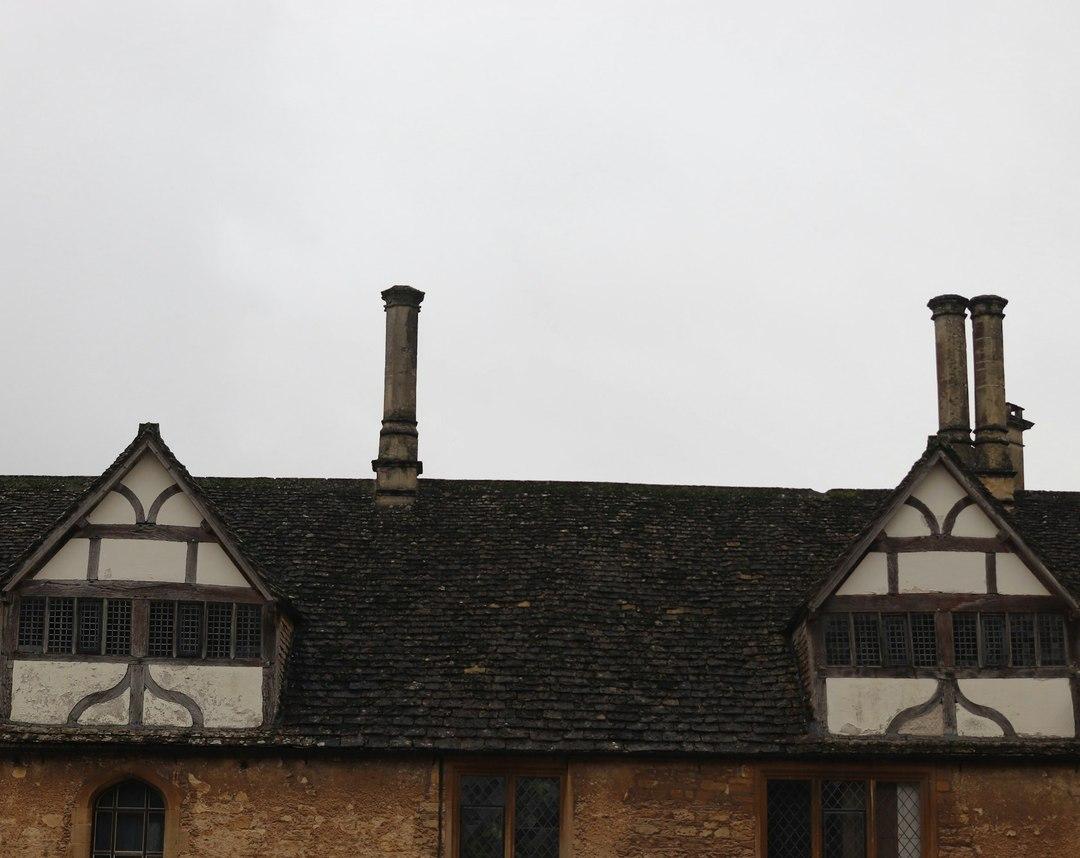
- The footprint it has to cover. A single round or square flue takes a small fitted unit. A brick stack with several flues side by side often needs one wide hood that spans the whole top, and that is a fabricated piece.
- The metal. Galvanized steel is cheapest and the first to rust in marine air. Stainless holds up for far longer. Copper is a looks choice and costs the most.
- Whether it must be the maker's part. A factory-built metal fireplace is tested as a system, top included. On those we fit the termination the manufacturer lists for that model, which limits the choice and sometimes the price.
- How it attaches. Some caps clamp inside the flue tile; others bolt to the masonry around it. A crown too weak to take an anchor changes the job.
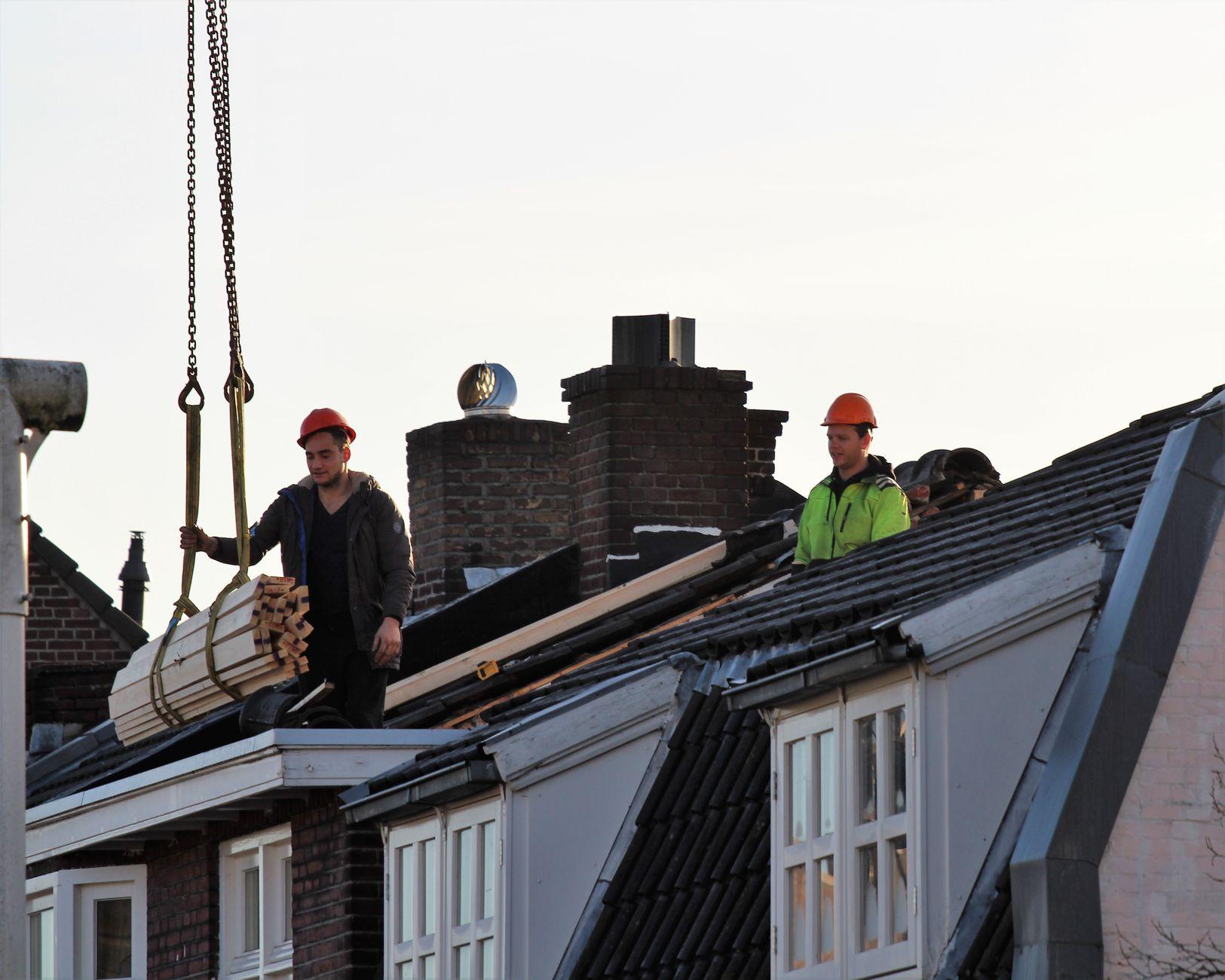
- The roof. Concrete tile, common on Orange County tract homes, has to be walked with care and sometimes needs pieces lifted and reset. A steep or two-story roof adds setup.
- Hood height and screen. The arrestor screen has to stop embers without choking the draft. A hood set too low on a busy wood fireplace clogs with soot and starts to smoke the room.
Ask for a written cap quote. Say what the fireplace burns, how many openings you can count on top of the chimney if you can see them from the yard, and what the roof is made of. We set a visit to measure; the written figure follows from that.
What an inspector checks at the top
When a city inspector, an insurer's inspector or a buyer's inspector climbs up, the questions are short. Is there an arrestor over every flue that serves wood? Is the screen whole, not rusted through, not packed with soot? Is the cap fastened so a winter wind cannot lift it off? Does it sit high enough that the flue can breathe? On a gas appliance, is the termination the listed one for that vent, rather than a generic hood?
That last point catches many houses in Yorba Linda, Anaheim and Buena Park where a gas log set or an insert went in years ago and someone dropped a masonry cap over the vent pipe. The cap may look fine from the street and still be the wrong part. We note the model where we can read it and say whether the top matches.
Wood flues and gas vents need different tops
A wood fire throws sparks and leaves creosote, so its cap is mostly about the arrestor and the soot load. A gas fire throws no sparks but makes a lot of water vapor, so its top is about keeping the vent dry and letting exhaust out without backdraft. Owners sometimes ask us for "the same cap the neighbor has" when one house burns oak and the other runs a sealed gas insert. Those are two different parts.
If you are converting from wood to gas, the old cap usually comes off and the insert's liner gets its own termination. That piece is part of an insert job, not a separate cap order. Our fireplace inserts page covers that work.
When a cap is not the whole repair
A cap rests on the crown, the concrete or mortar slab around the flue. If that slab is cracked through or crumbling, a new cap has nothing solid to hold, and rain keeps getting into the brick under it. The crown has no published price with us: we write a figure for it once we have stood on the roof and measured it, and it appears as its own line next to the cap so you can see both. More on that work is on the crown repair page.
The same applies to loose brick at the top course. We will not bolt new metal to masonry that is about to move. If the top of the stack needs work first, the written quote says so and puts that line ahead of the cap.
What a good cap quote spells out
Whoever you hire, the quote should answer these on paper:
- Which flues the cap covers, and whether any are left open.
- The metal, and the gauge if it is stainless.
- How it is fastened to the chimney.
- Whether the screen is an arrestor that suits the fire rules for your address.
- For a factory-built fireplace, whether the part is the one the maker lists.
- Whether the old cap is hauled away.
- Whether anything under the cap needs repair first, priced as its own line.
If a quote leaves out the fastening or the screen, ask. Those are the two details an inspector is most likely to fault later.
Timing around fire season
Most owners call us in late summer, when brush is driest and the first Santa Ana forecast shows up. That is a good moment to look at the top of the chimney, but nothing about the rule changes by season. If you are selling, the cap is often on the buyer's inspection list, and fixing it before listing keeps it off the repair request. Our home sale inspection page explains how findings turn into requests.
Next move
Use the contact page to set up a measuring visit for your chimney top in Yorba Linda or nearby. We come back with a written figure and a note on any part of the crown or stack that has to be dealt with before metal goes on.
Need the Rule Checked at Your Address?
Tolbert Chimney Pros covers Yorba Linda, Anaheim, Buena Park, Riverside and the cities around them. Use the contact page to say what the paperwork asks for, and we reply with the inspection level and the price from our list.