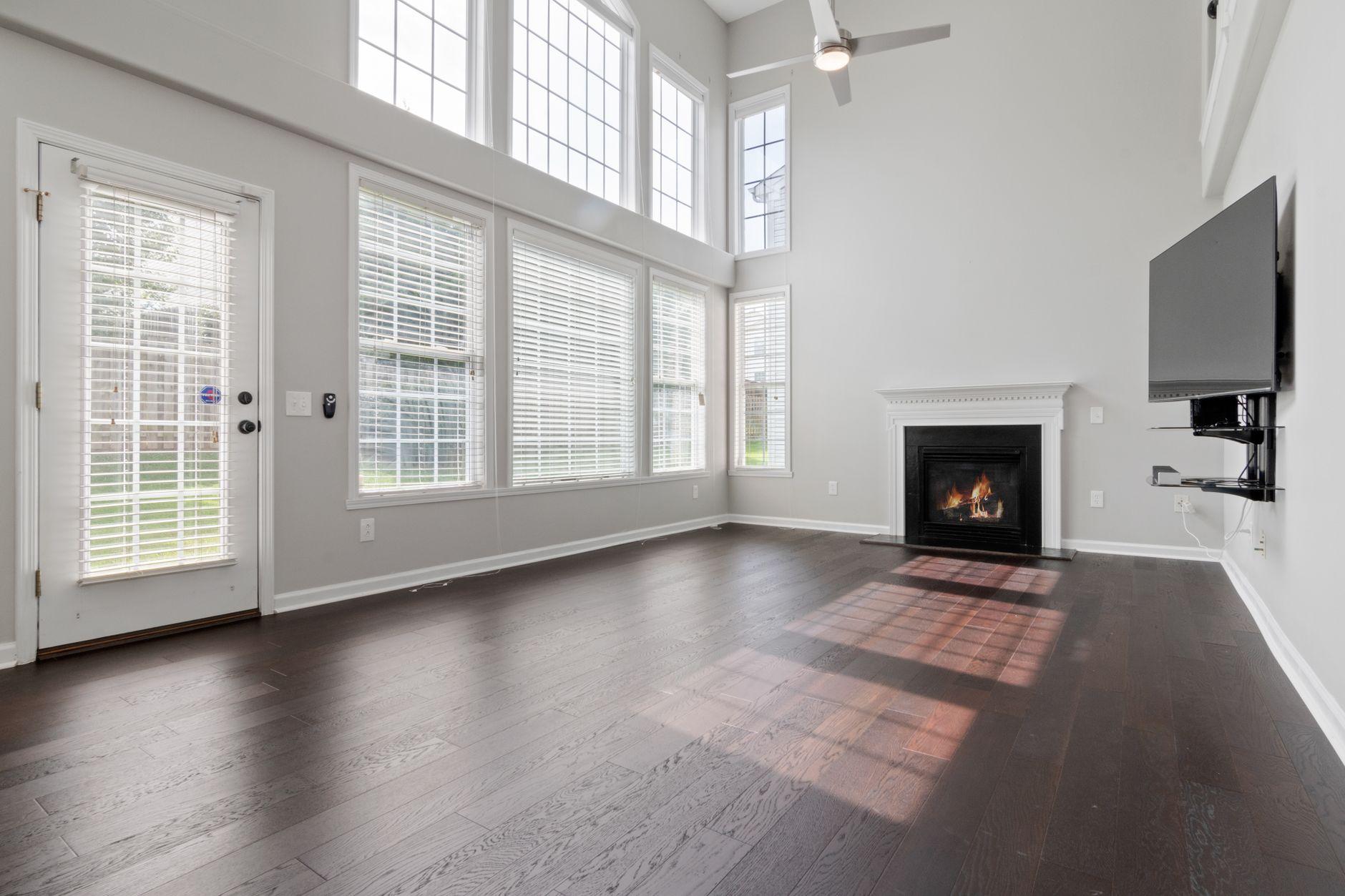
The permit question comes before the showroom
Owners usually start with the look of the unit and the heat it puts out. The building department starts somewhere else. Fitting a sealed gas heater into an old masonry firebox means a gas connection, a new vent up the chimney and an appliance that has to sit at set distances from wood. In Yorba Linda and most Orange County cities, that combination is normally permit work, with an inspection before the first fire. Rules differ a little from city to city, so we check with the building department for your address and say on the quote whether a permit applies and who files it.
Skipping the permit tends to surface later, at a sale or an insurance claim, when someone asks for the paperwork that shows the gas work was signed off. A permitted install leaves a record with the city that a buyer's agent can find.
What the inspector looks at on an insert
The inspection itself is short and practical. Expect the inspector to look at:
- The gas connection. Pipe size and material, a shutoff valve the owner can reach, and a leak test.
- The installation manual. Inserts are tested by their makers, and the inspector checks the install against that book: the liner type, how it connects, how far the unit must stand from the mantel and side trim.
- The vent termination. The liner has to end in the top the maker lists for it, not a borrowed cap.
- Alarms in the house. When a permit is open, inspectors commonly check that smoke and carbon monoxide alarms are present and working.
We leave the manual at the house for the inspector and keep a copy with the job file.
Where the $2,650 to $5,250 goes
An installed gas insert costs $2,650 to $5,250 with us. The figure includes the unit, the liner and the fitting. What decides where your house lands:
- Heat output and size. The insert has to fit the firebox you have. A shallow 1970s firebox takes a different, sometimes smaller, unit than a deep brick one.
- Face and trim. A plain black surround costs less than a wide decorative front.
- Liner length. Taller chimneys need more liner. Two-story homes in the hills above Yorba Linda Boulevard sit near the top of the range for that reason.
- The gas run. A gas key already beside the hearth is the easy case. No gas at the fireplace means a new line from the nearest branch, and the route sets the cost.
- Clearance fixes. A wood mantel that sits too close for the chosen unit has to be raised, shielded or swapped for one that meets the manual.
- Power. Units with a blower or remote need an outlet nearby.
Request a written insert quote. Tell us whether there is gas at the fireplace now, roughly how tall the house is and what sits above the opening. We set a measuring visit and the written figure comes from those measurements.
Wood rules that do not touch gas
Yorba Linda sits inside South Coast AQMD. Its wood-burning rule, Rule 445, allows the district to stop wood fires on winter days when the air is poor. A gas insert is outside those curtailments, which is one reason owners here switch. The same rule also keeps new wood-burning fireplaces out of most new construction in the district, so a gas unit is often the only way to keep a working fireplace when a house is remodeled.
That makes an insert as much a rules decision as a comfort one. If you burn wood on cold nights and keep hearing about no-burn days, a gas unit in the same opening removes the question.
The chimney has to pass before the insert goes in
An insert hangs its liner inside the old flue and relies on the brick around it to stay standing. If the crown is broken, the top of the stack is loose or the old clay tile has collapsed, the insert installer inherits that problem. Changing the appliance a chimney serves is also one of the moments NFPA 211 ties to the camera inspection. Our $370 Level 2 records the flue and smoke chamber on video so we know the chimney can take the liner before anything is ordered.
Most of the time the chimney is fine and the inspection simply clears the way. When it is not, the repair comes first and the quote shows it as its own line. We would rather tell you that before you pick a unit than after.
Converting an older Yorba Linda fireplace
Many Yorba Linda homes were built from the 1960s on, and plenty of them have factory-built metal fireboxes rather than brick. Those boxes were tested with their own chimney pipe, and most of them are not listed to take an insert. On those houses the honest answer is often to replace the whole unit with a new sealed gas fireplace rather than slide something into the old one. We say which case you have after we read the label inside the firebox.
Brick fireplaces from older ranch homes in Anaheim, Buena Park and Riverside are the classic insert candidates. They take a liner well and the hearth is usually deep enough.
What to ask any installer
- Is the liner in the installed price, and what size is it?
- Who files the permit, and who meets the inspector?
- Will the install follow the maker's manual for clearances, and will the manual stay at the house?
- What happens to the old damper, grate and doors?
- Is any chimney repair needed first, and is it written as its own line?
An installer who is vague on the permit or the liner is worth a second quote. Our fireplace inserts page lays out how we run the job, and our gas fireplace repair page covers units already in place.
Next move
Set up a measuring visit through the contact page. You get a written figure for the unit and liner, a note on whether the city wants a permit for your address, and any chimney repair listed apart from the insert.
Need the Rule Checked at Your Address?
Tolbert Chimney Pros covers Yorba Linda, Anaheim, Buena Park, Riverside and the cities around them. Use the contact page to say what the paperwork asks for, and we reply with the inspection level and the price from our list.