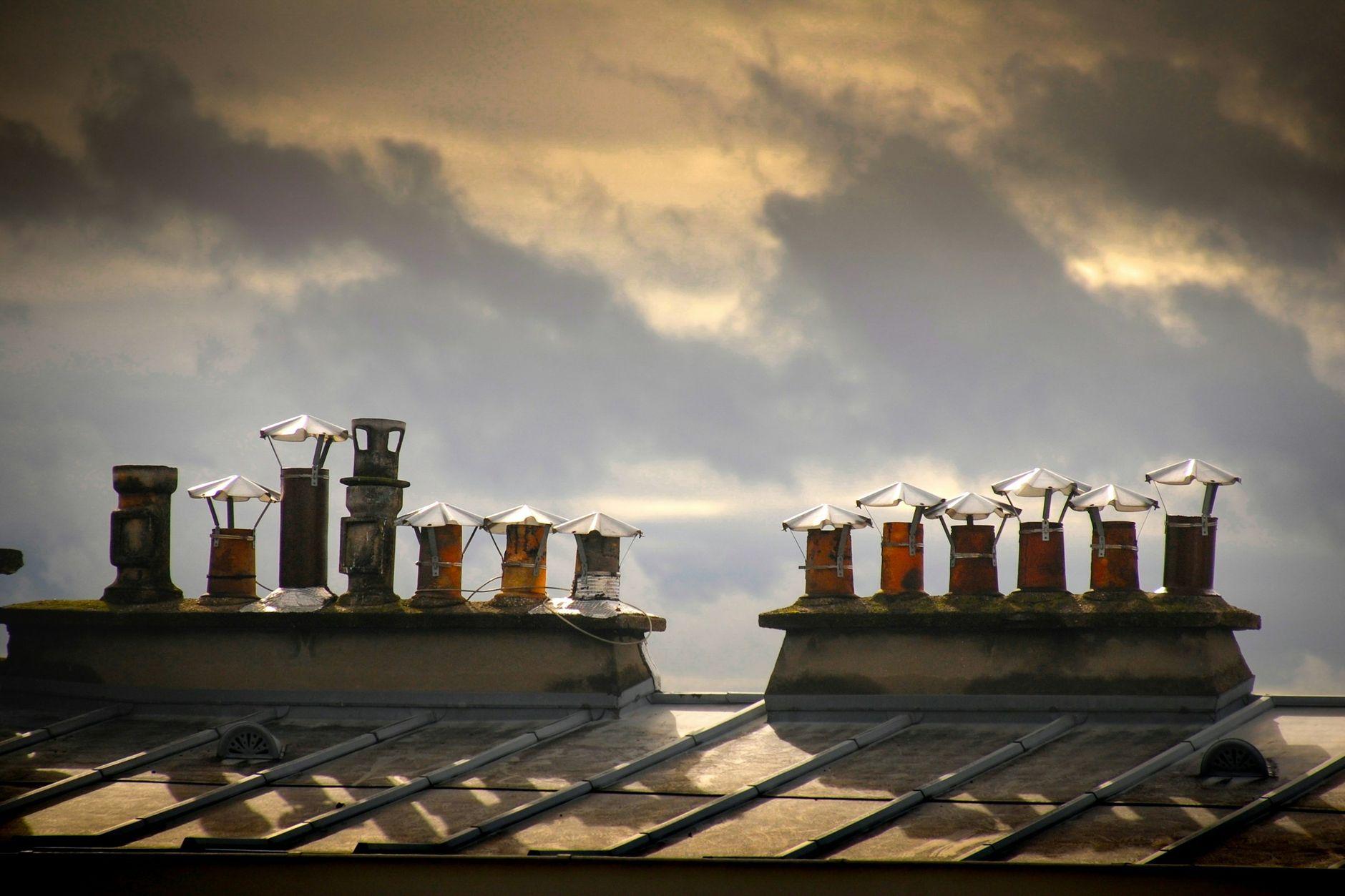
The brick column problem
An unreinforced brick chimney does not flex. In a strong quake the wood house around it sways and the stack tries to stay put, so the two pull apart at the roofline, where the brick above has nothing to hold it. That is where most chimney damage starts: a crack across the mortar at the roof, then a top section that rocks, then brick on the roof or in the yard. Southern California's quake record is full of chimneys that failed this way, and Orange County sits within reach of several active faults.
Two broad fixes deal with it. One holds the existing stack to the house. The other replaces the part most likely to fail with something lighter or reinforced. Which suits a Yorba Linda house depends on the brick, the height and how the fireplace is used.
Option one: hold the stack to the house
Bracing and strapping keep the existing masonry and add steel that ties it to the structure. In general terms:
- Roof bracing. A steel frame runs from the stack above the roof to the roof framing, so the top section cannot rock freely.
- Straps at the floor and ceiling lines. Steel bands wrap the chimney where it passes the house framing and are fastened to it.
- Anchors into the joists. Bolts or ties connect the straps to framing members, not just to sheathing.
Bracing keeps the look of the chimney and costs less than taking brick down. It only works on brick and mortar that are still sound. Steel bolted to crumbling masonry holds nothing.
Option two: take the top down
The more thorough fix removes the brick above the roofline, or a little below it, and replaces it. Two versions are common:
- A framed chase with a metal flue. Light wood framing, a listed metal chimney inside, and stucco or siding outside to match the house. It weighs a fraction of the brick it replaces.
- Reinforced masonry. New brick laid with steel inside it and tied to the house. It keeps the original look at a higher cost.
Either version usually needs a building permit and an inspection before the work is covered up. Our chimney rebuilds page explains how we run that job and what the city looks at.
How we decide between them
On the camera inspection and the roof visit we look at:
- Mortar condition. Joints that crumble under a probe rule out bracing on their own.
- Cracks. Cracks through brick, not just joints, point to removal.
- Height above the roof. Tall, slender stacks whip harder in a quake, which asks a lot of any brace.
- Past movement. A top course already shifted or a gap between stack and wall means the chimney has moved before.
- Plans for the fireplace. If you are switching to a gas insert, a framed top with a metal flue fits that plan.
Most chimneys in Yorba Linda, Anaheim and Buena Park that we see for retrofit questions fall clearly on one side or the other. A few are close, and for those we price both.
Use matters as much as masonry. A fireplace that has not burned wood in years, with no plan to start again, does not need a full brick stack above the roof at all. Taking that top down and closing the flue removes the weight entirely, and the owner can still add a gas unit later with its own vent. We set that choice out next to bracing so the trade between cost, looks and risk is plain.
No published figure, and what the written quote rests on
We do not publish a figure for seismic work. A short single-flue stack on a one-story roof and a tall two-flue stack above a second story are different jobs. What sets the number:
- The method. Bracing costs less than removal, and a framed top less than new brick.
- How much comes down. The line where brick stays sound.
- Flues inside the stack. Each one needs its own vent in the new section.
- The roof. Concrete tile has to be lifted and reset around the work.
- Permit and inspection fees set by the city.
- What closes the job. A crown, a cap with an arrestor screen and new flashing.
The $370 Level 2 inspection comes first. The camera footage tells us whether the inside of the flue is sound and where the brick is weak, and that sets the method.
Ask for a written retrofit quote. Say how tall the chimney stands above the roof, whether you have seen cracks from the yard and whether the fireplace still burns wood. We book the inspection and write a quote for each option that fits.
What to ask any contractor
- Is this bracing, removal or a rebuild, and why that one for my house?
- What happens if the brick under the line turns out weaker than expected?
- Does the job need a permit, and who files it?
- How is the new work tied to the house framing?
- Are the cap, crown and flashing part of the price?
A retrofit is not a place for a one-line quote. The method should be written out so anyone reading it later, a buyer or an insurer, can see what was done.
What we do not promise
We do not say a retrofit makes a chimney quake-proof. It reduces the chance of brick coming down and the weight that can fall if it does. Nor do we cite rebate programs; check with your city or insurer about any that apply to your house. Our seismic retrofit page describes the work in more detail.
Next move
Reach us through the contact page. We inspect your Yorba Linda chimney, tell you which method fits and send a written quote with each option laid out.
Need the Rule Checked at Your Address?
Tolbert Chimney Pros covers Yorba Linda, Anaheim, Buena Park, Riverside and the cities around them. Use the contact page to say what the paperwork asks for, and we reply with the inspection level and the price from our list.